
Psychosocial, ethical, and spiritual aspects of contemplative practices
Elisa Paluan – PhD in Social Sciences, Department of Philosophy, Sociology, Education and Applied Psychology (FISPPA), University of Padua (2022-2025)
Recipient of a PhD scholarship funded by the UBI Research Center.
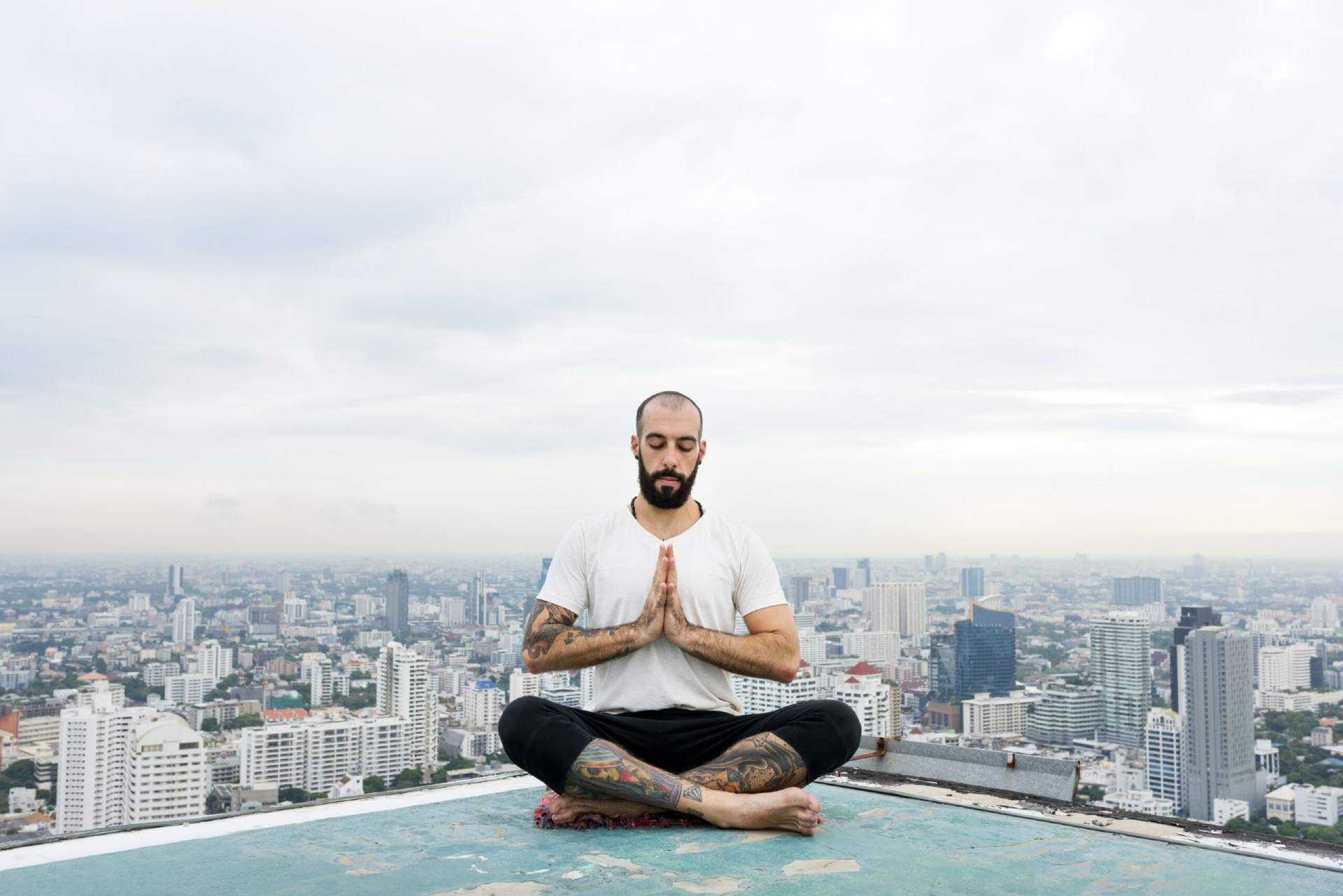
Elisa Paluan is conducting a research project entitled “Contemplative psychology and non-reductionist approaches: Psychosocial, ethical, and spiritual aspects”. Her work explores how practices rooted in ancient contemplative traditions can foster deep forms of personal and collective well-being in contemporary contexts.
The project adopts a multidisciplinary perspective, integrating both qualitative and quantitative methods and fostering dialogue among the social sciences, clinical psychology, philosophy, anthropology, and theology. At the heart of the research is the study of large samples from the general population, with a specific focus on the differences between those who practice and those who do not practice meditation. Key areas of investigation include personality, emotion regulation, maladaptive cognitive patterns, compassion, and spirituality.
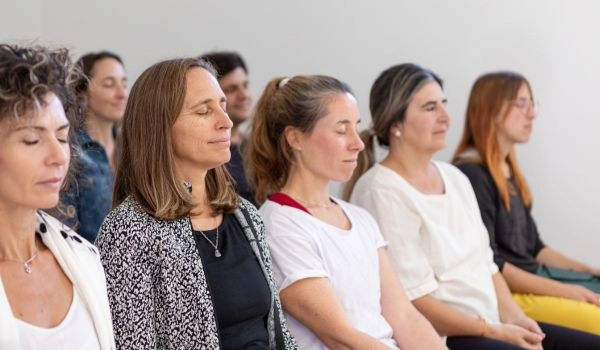
In parallel, Elisa conducts longitudinal research in the context of the Postgraduate Program in Contemplative Studies at the University of Padua, aimed at deepening understanding of the subjective and relational experience of contemplative practices as part of academic training. In this context, she collaborates closely with Bianca Ventura, a PhD student at the University of Ottawa under the supervision of Professor Georg Northoff. Together, Elisa and Bianca are carrying out a series of studies that combine psychosocial and neurophenomenological perspectives, using questionnaires, interviews and neuroscientific tools. Central to their inquiry is the exploration of transformations in the perception of self, time, and space – dimensions considered pivotal to the contemplative experience and its transformative potential.
A distinctive feature of Elisa’s research is her ongoing theoretical reflection on the role of guidance, the dynamics of the group settings, and the influence of digital technologies on the perception and effects of contemplative practice. From this perspective, contemplative psychology is framed as an autonomous field – one capable of integrating scientific rigor and experiential depth while remaining anchored in the ethical foundations that give meaning to contemplative traditions.
In constant dialogue with the UBI Research Center and the doctoral programme, Elisa is committed to promoting a non-reductionist and human centered approach to contemplative practices. Her clinical background, rooted in Jungian analytical psychology, sustains a focus on the depth of lived experience – positioned at the intersection of science, tradition and the search for meaning.